You appreciate just how structures form lives and the planet, so you desire options that in fact reduce exhausts, expenses, and health and wellness risks rather than skim past issues. Sustainable architecture does that by rethinking products, power, and neighborhood impact across a building's entire life. It likewise tests presumptions about affordability and equity-- so if you prepare to relocate past labels and demand quantifiable results, there's even more to unpack.Why Sustainability Matters for Buildings and Communities Since structures form how we utilize energy, water, and land, selecting sustainable design straight cuts costs, exhausts, and wellness risks for people and areas. You'll see sustainability in eco-friendly building techniques that enhance power performance and lower operating expenses.You'll make use of easy design-- orientation, shading, daylighting-- to decrease heating and cooling lots, and set that with renewable resource for cleaner onsite power.You'll prioritize products stewardship without diving into purchase specifics, thinking of sturdiness and waste reduction instead.You'll design for resilience to
withstand climate shocks and protect occupants.You'll examine effects with life-cycle assessment to overview choices, and you'll include biophilic design to enhance wellbeing.All these selections multiply area effect, creating healthier, a lot more architects near me equitable places.Rethinking Materials, Construction
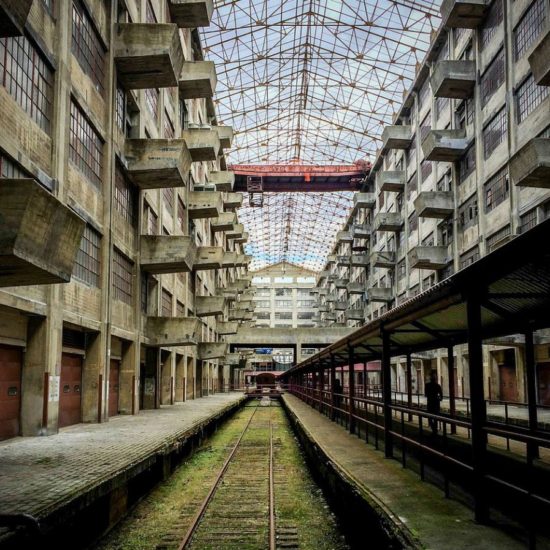
and Lifecycle Expenses When you reconsider products and construction, you move focus from in advance expenses to the full lifecycle of a building-- just how it's sourced, assembled, maintained, and eventually decommissioned. You select lasting materials to reduced embodied carbon and lower long-lasting life-cycle cost, prioritizing renewable resources and material reuse over non reusable options.In a green building technique you'll combine passive design with energy effectiveness procedures so operational worries reduce. Specify low-VOC coatings to secure occupants while decreasing upkeep and replacement expenditures. Round construction techniques keep elements being used, reducing waste and future purchase costs.Designing for Climate Durability and Health And Wellness Rethinking materials and construction sets the phase for developing buildings that can in fact endure a transforming environment and advertise occupant wellness in time. You'll prioritize sustainability by choosing environment-friendly materials that decrease personified carbon and support interior air quality, safeguarding owners from pollutants.You'll integrate easy design-- shading, all-natural ventilation, thermal mass-- to cut energy usage and increase energy performance while keeping comfort. Biophilic design brings nature inside, reducing anxiety
and improving recovery.You'll plan resilient facilities: elevated systems, redundant power, water reuse, and adaptive facades to react to severe weather. Aim for net-zero best architecture companies operational targets without giving up durability.Social Equity, Price and Social Context in Design Although sustainability frequently focuses on power and materials, social equity, price,
and social context needs to form every design decision you make; fair architecture guarantees that low-income communities, marginalized groups, and regional customs gain from resilient, healthy, and obtainable spaces.You prioritize community engagement to discover requirements, respect cultural context, and integrate historic preservation with modern-day environment-friendly structure techniques.You design budget-friendly real estate that stabilizes power efficiency with resilient materials so citizens minimize energy costs and maintenance.Inclusive design means easily accessible public areas, solutions, and workflows that honor regional identity.From Greenwashing to Measurable Efficiency Social equity and measurable sustainability work together, so after you've involved neighborhoods and made for cost, you need methods to prove your results instead of depend on claims.You'll avoid greenwashing by embracing clear efficiency metrics: track energy efficiency, display strength under anxiety, and established net-zero targets
tied to measurable timelines. Usage life-cycle analysis to compare materials and prioritize products transparency so occupants and regulators can validate choices.Implement easy design methods that reduce loads, then validate cost savings with post-occupancy evaluation and continual metering. Report findings in available control panels and third-party certifications, but don't stop there-- iterate based upon real-world data.
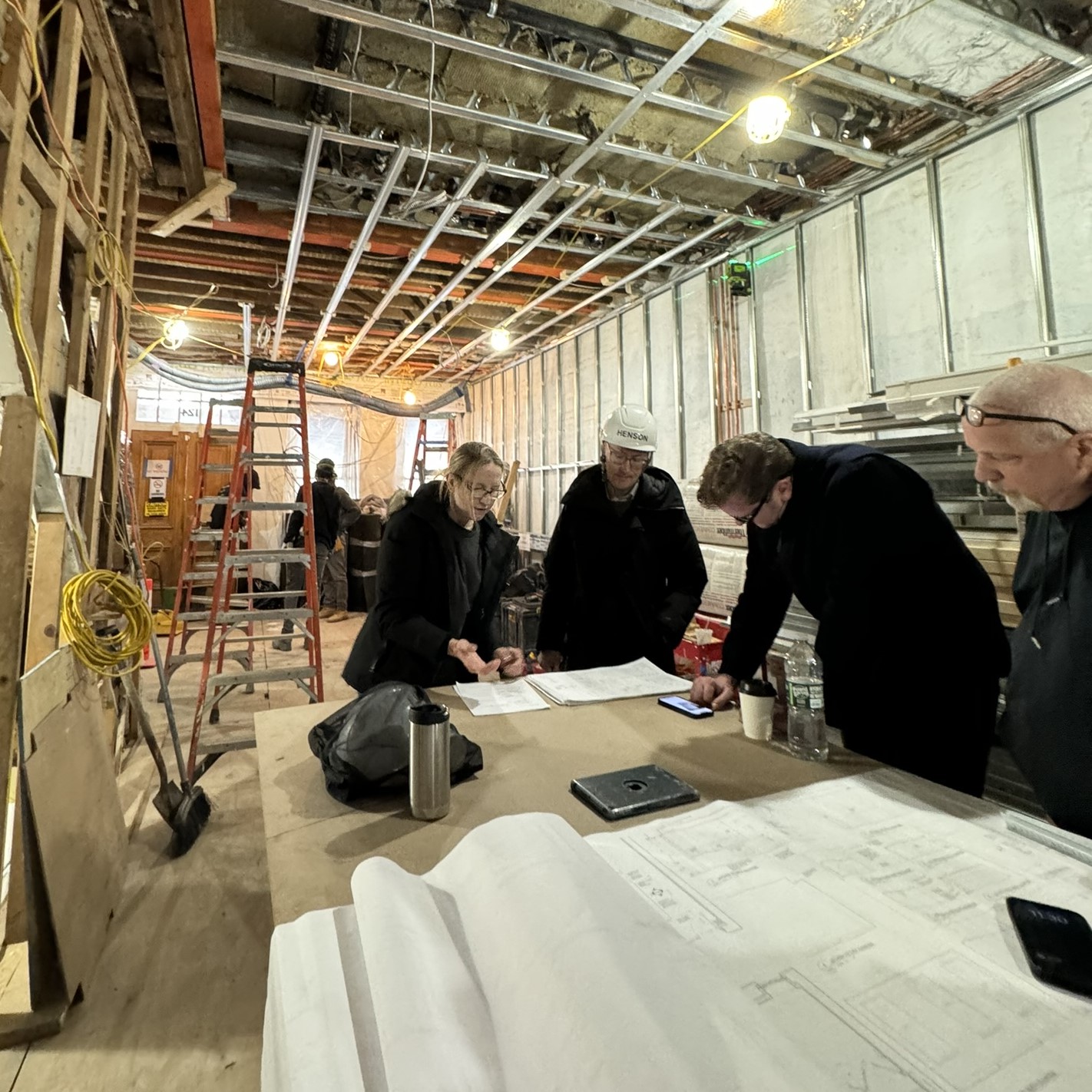
That disciplined, transparent strategy turns sustainability rhetoric into responsible, demonstrable outcomes.Conclusion You're not just picking a design when you go with sustainable architecture-- you're choosing end results: lower emissions, healthier interior atmospheres, resistant buildings and fairer neighborhoods. By prioritizing sturdy low‑carbon materials, easy design, transparent efficiency metrics and community engagement, you cut long‑term costs and withstand greenwash. When design centers people, location and measurable targets, sustainability ends up being responsible method, not marketing-- and you aid develop structures that sustain, heal and offer everyone.
Name: Henson Architecture
Address: 27 W 20th St #1201, New York, NY 10011
Phone: (212) 995-2464
Website: https://www.hensonarchitect.com/